DGHS Delegation Observes Shushilan’s UNICEF Supported Community-Based SBC Interventions in Bhola
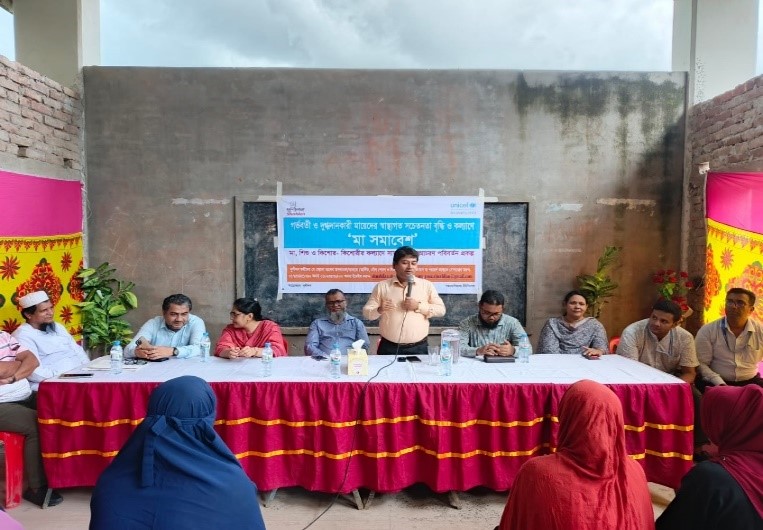
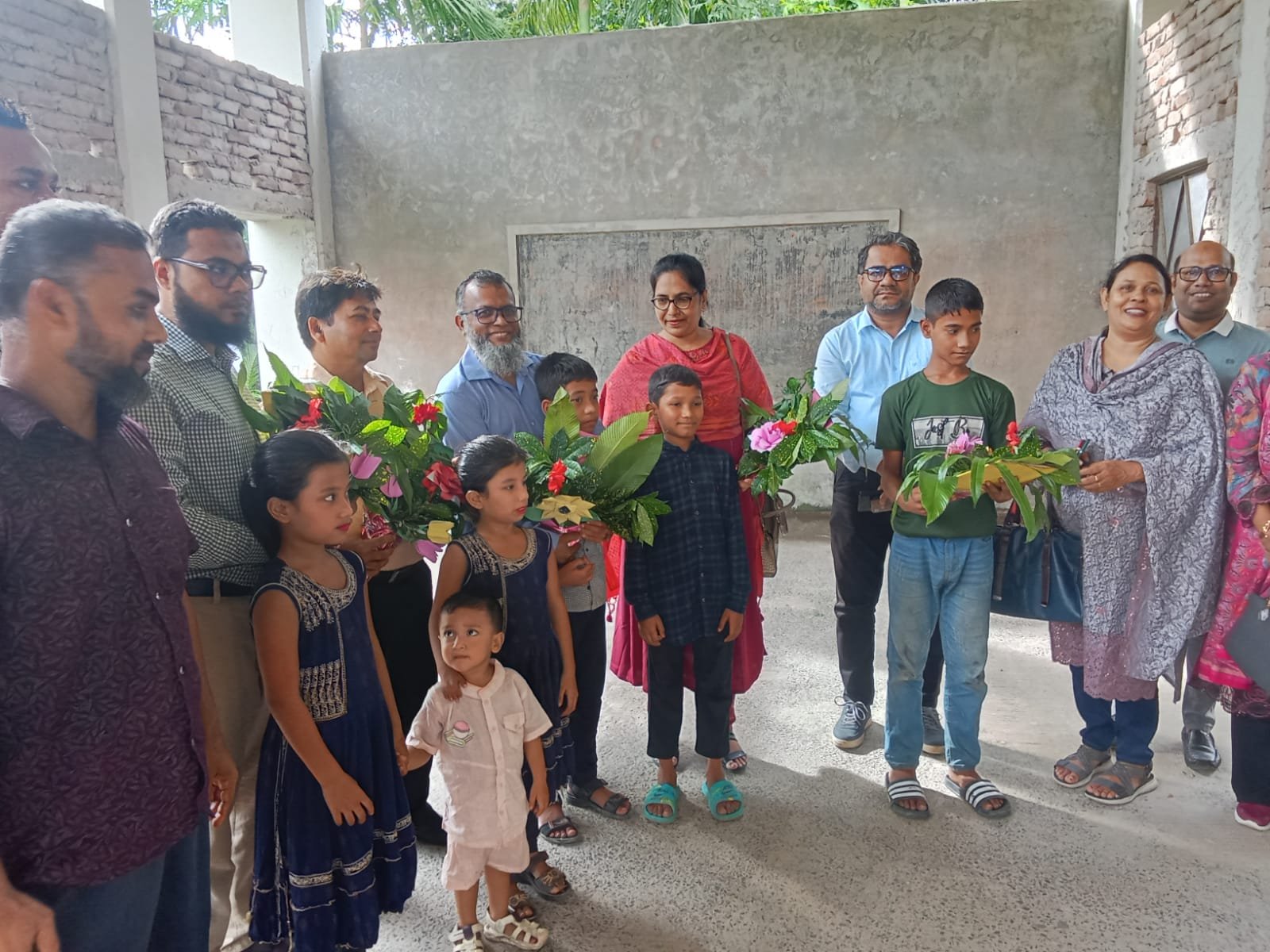
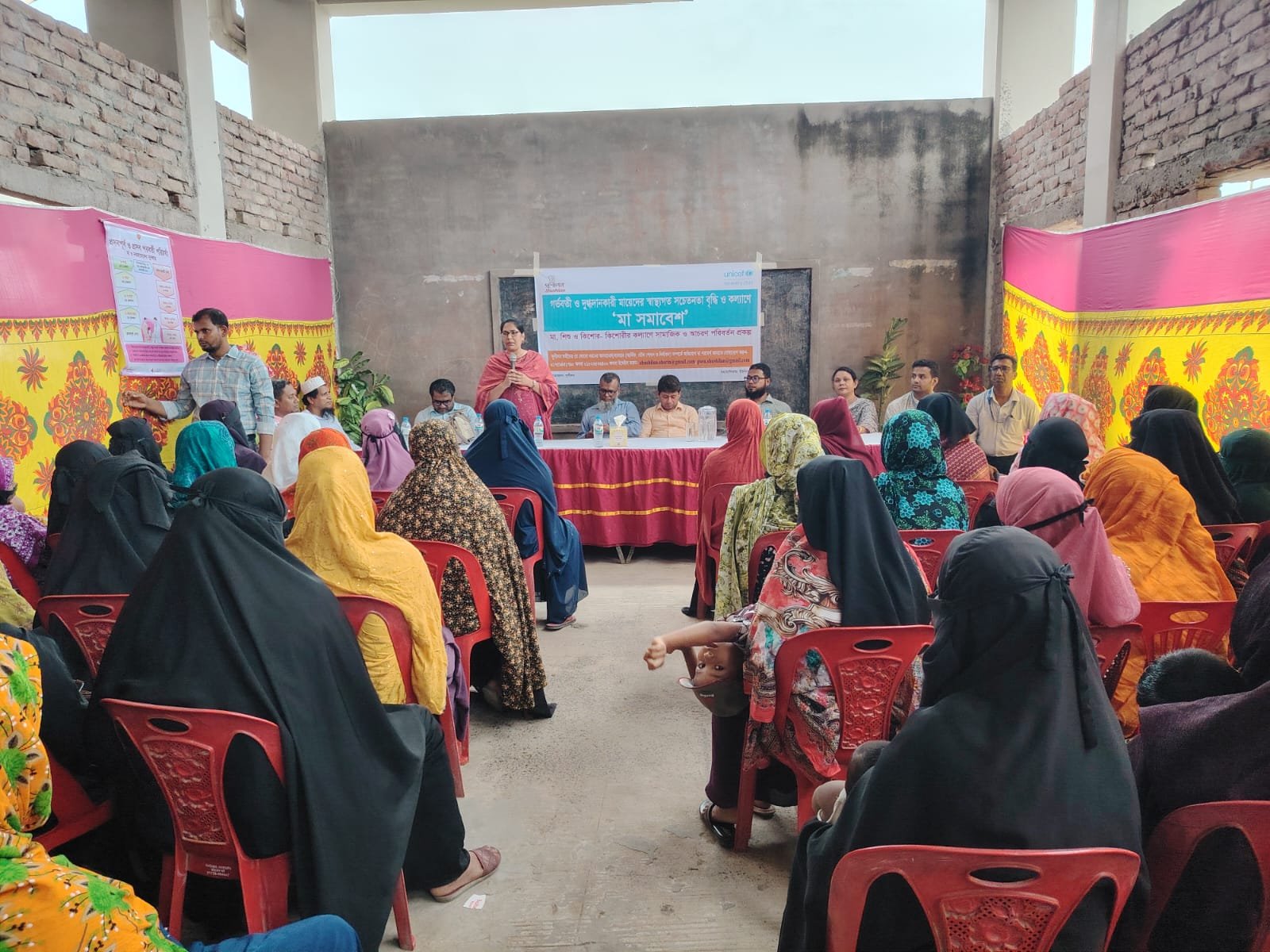
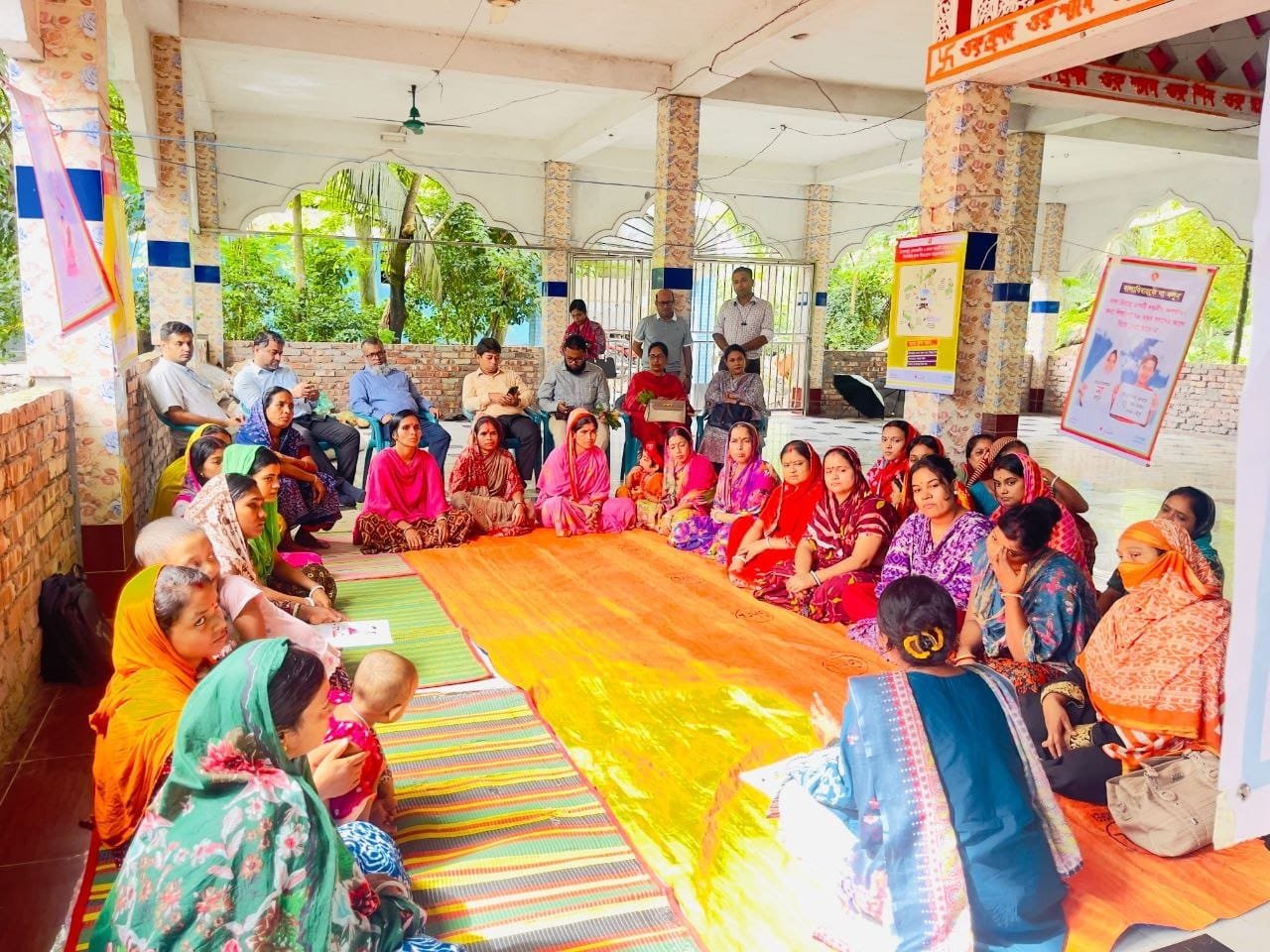
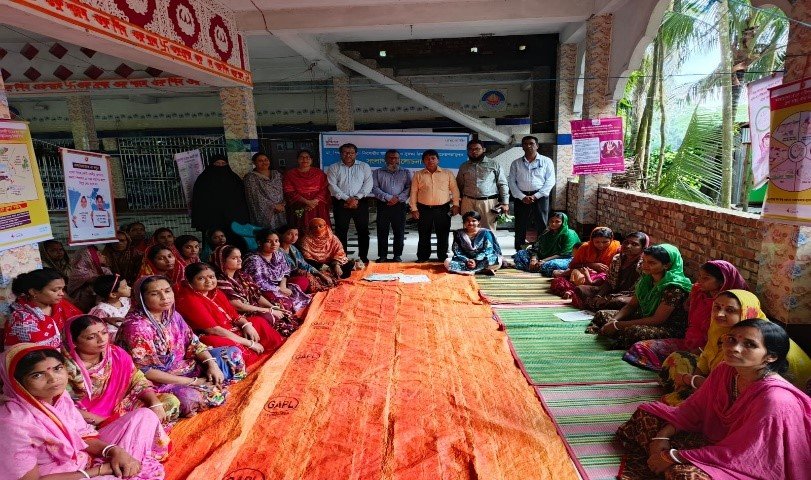
On 22 July 2026, a high-level delegation from the Directorate General of Health Services (DGHS), comprising three senior officials from the DGHS Headquarters (Dr. Mohammad Harun Ur Rashid Associate Professor, (Community Medicine), OSD DGHS, attached to Planning and Research, Directorate of Health, Mohakhali, Dhaka.Dr. Ashiqur Rahman OSD DGHS, attached to Planning and Research, Directorate of Health, Mohakhali, Dhaka.Dr Aysha Siddika OSD DGHS, attached to Planning and Research, Directorate of Health, Mohakhali, Dhaka) along with the Civil Surgeon of Bhola Dr Muhammad Monirul Islam and UH&FPO Bhola Sadar Dr. Morniruzzaman conducted a field visit to observe community-based Social and Behavior Change (SBC) interventions implemented by Shushilan under the UNICEF-supported SBC Project in Bhola District. The delegation visited an Intergenerational Dialogue (IGD) session in Bapta Union and a Mothers' Assembly in Bheduria Union to assess the quality, effectiveness, and community engagement of the project interventions.
The visit included an Intergenerational Dialogue (IGD) session in Bapta Union and a Mothers' Assembly in Bheduria Union. The purpose was to observe the quality of community engagement, assess the effectiveness of SBC interventions, and understand their contribution to promoting positive health behaviours at the grassroots level.
The Intergenerational Dialogue brought together mothers, caregivers, adolescents, community leaders, and other influential community members to discuss key issues related to maternal, newborn, child, and adolescent health (MNCAH), routine immunization, nutrition, child protection, adolescent well-being, and the Prevention of Sexual Exploitation and Abuse (PSEA). The Mothers' Assembly focused on promoting healthy practices such as antenatal and postnatal care, exclusive breastfeeding, complementary feeding, childhood immunization, and timely healthcare-seeking behaviour.
Both sessions were facilitated using participatory approaches that encouraged open discussion, experience sharing, and community-led problem solving. The visiting delegation also interacted with community members and frontline facilitators to learn about the project's community mobilization efforts, including household visits, interpersonal communication, and courtyard sessions. Participants shared positive experiences and behavioural changes resulting from regular engagement through these community platforms.
The visit highlighted the value of community-driven dialogue platforms in strengthening awareness, encouraging informed decision-making, and fostering greater ownership of health and well-being among community members. The observations also reflected the importance of close collaboration between community structures and the public health system in advancing national health priorities.
The field visit reaffirmed the effectiveness of Shushilan's community-based SBC interventions in improving access to health information and promoting positive health practices. It also reinforced the ongoing partnership among DGHS, the District Health Department, UNICEF, and Shushilan in supporting healthier and more resilient communities across Bhola District.