Shushilan SBC Bhola Strengthens Measles-Rubella Awareness across Remote Communities
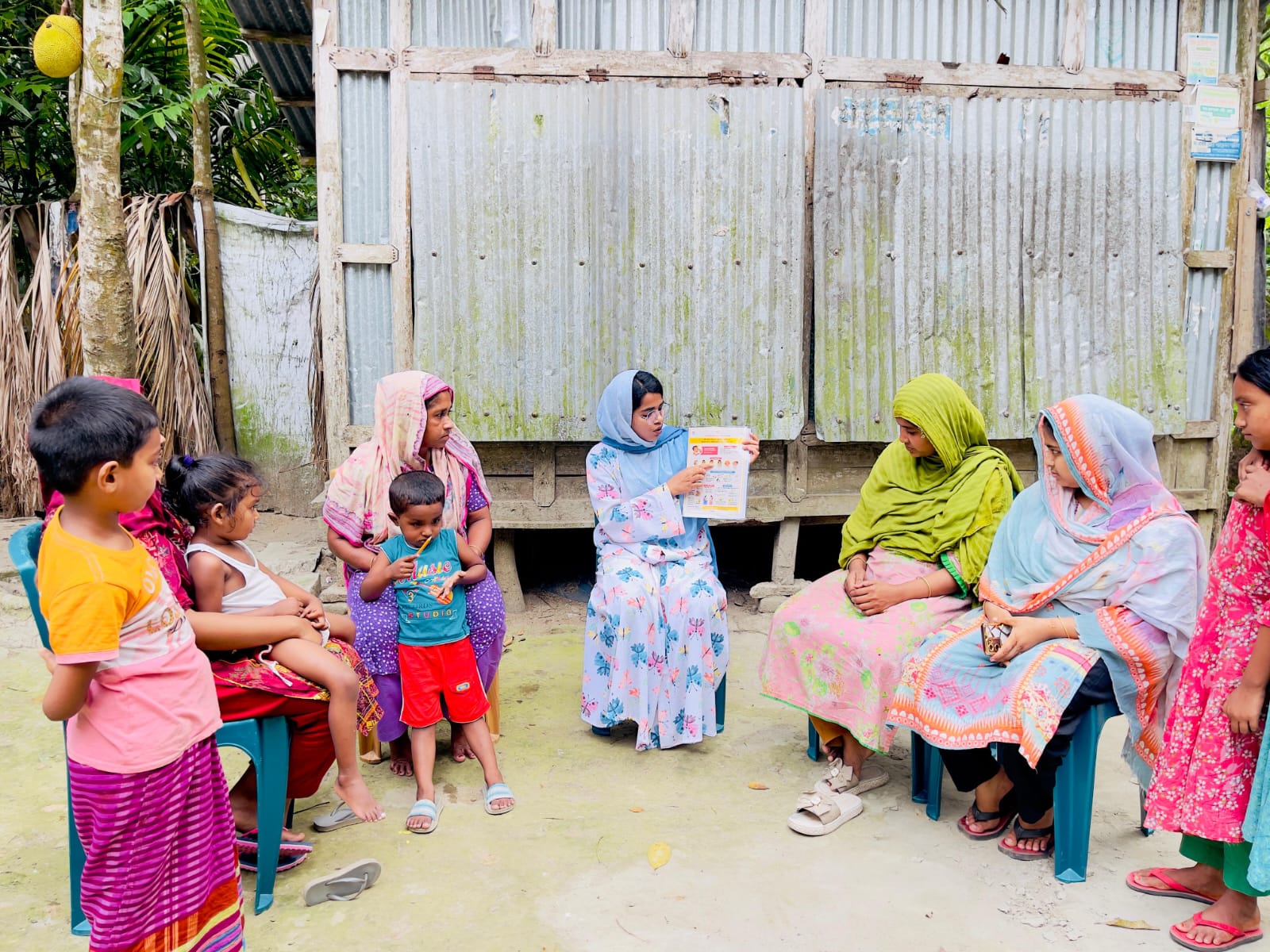
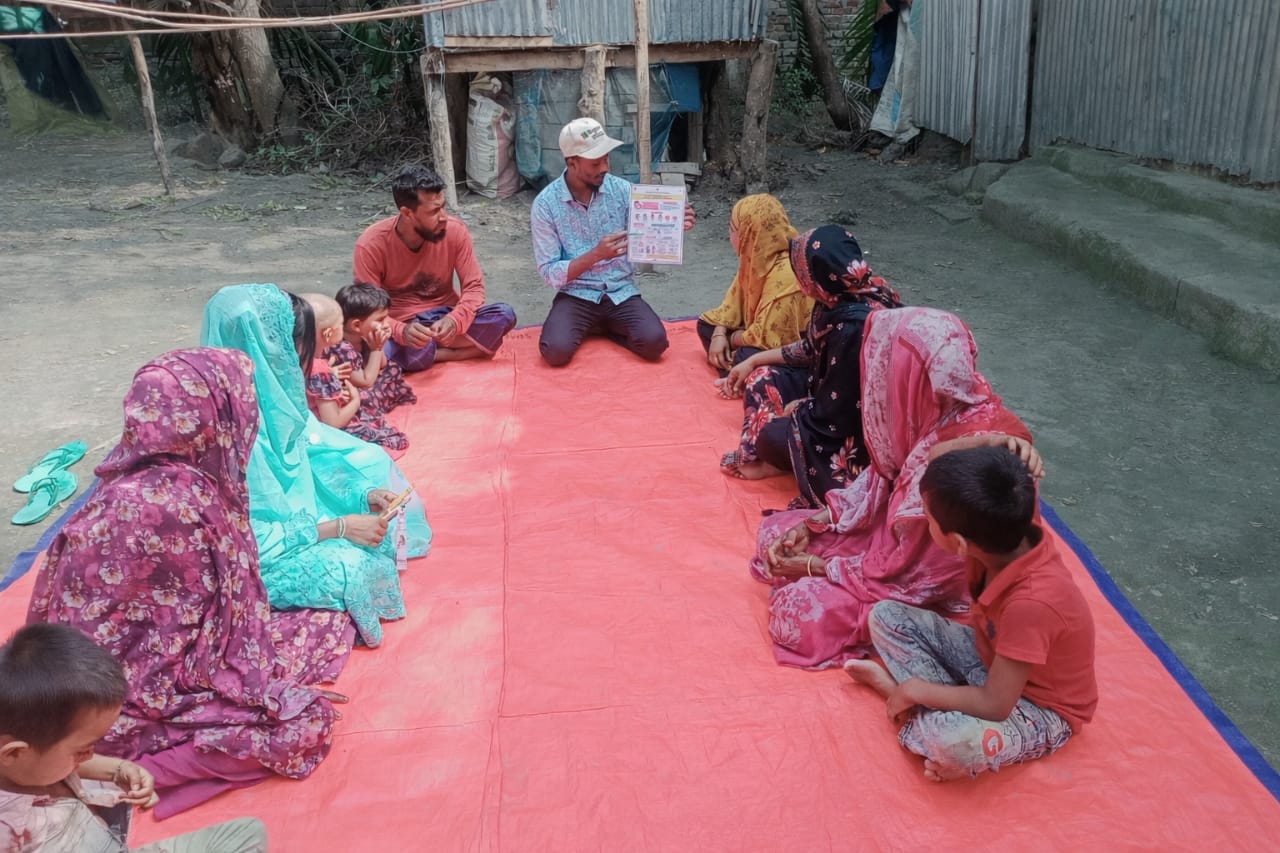
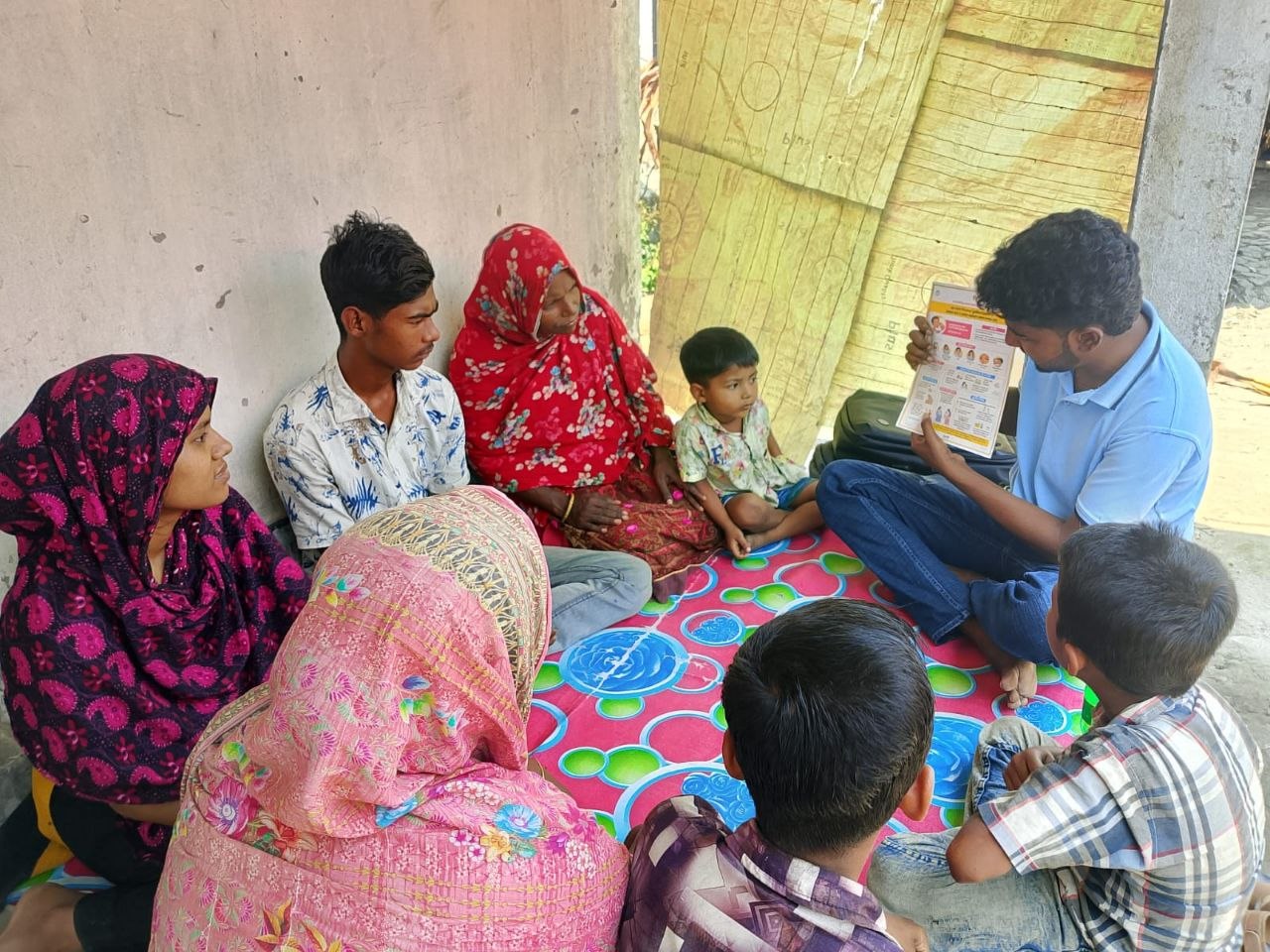
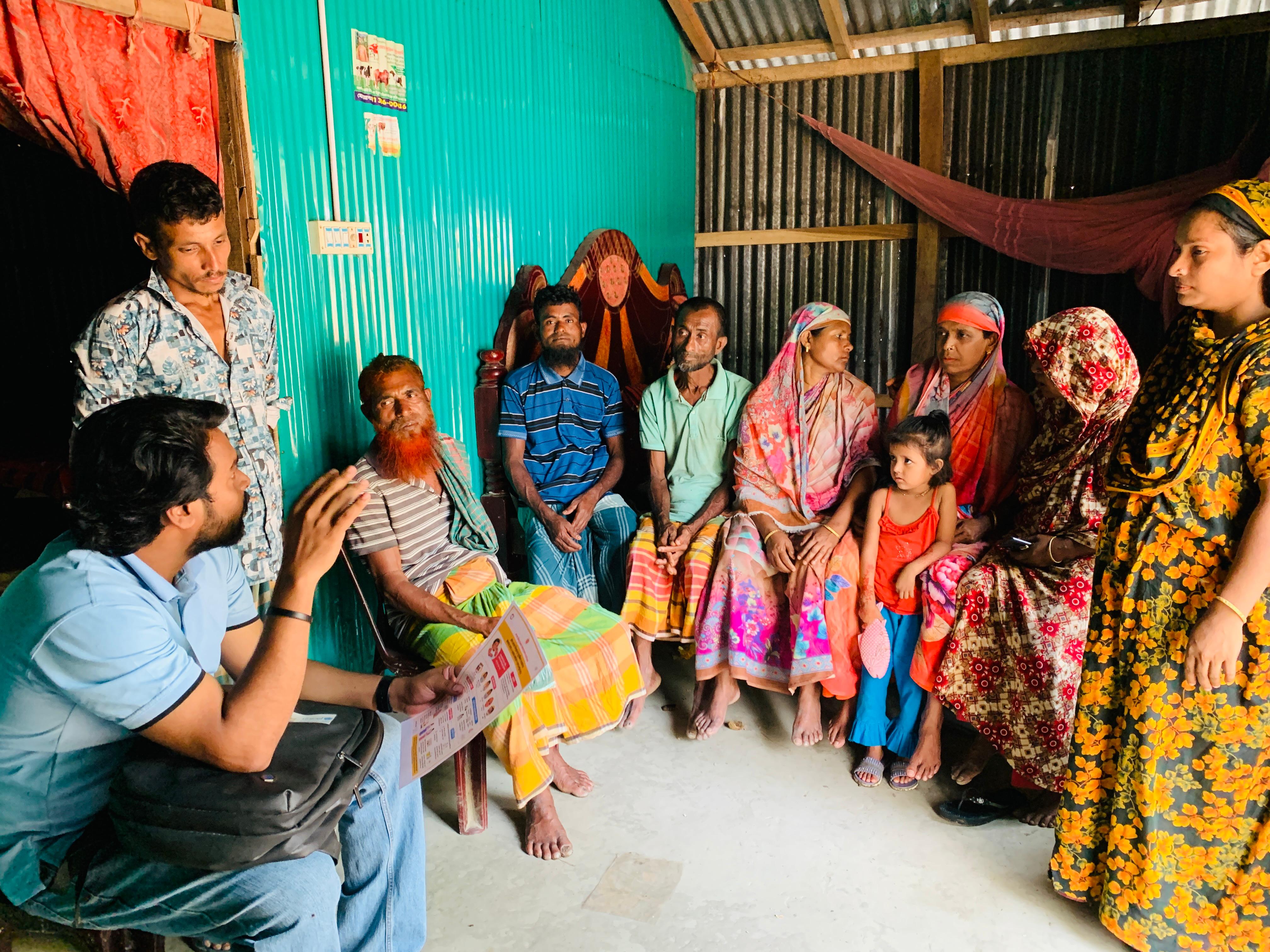
To support the Government of Bangladesh's national Measles-Rubella (MR) immunization campaign, Shushilan, through its Social and Behavior Change (SBC) Project with technical support from UNICEF, implemented an intensive community engagement campaign across all seven upazilas of Bhola from 5 April to 10 May 2026. The initiative aimed to increase awareness, reduce vaccine hesitancy, and ensure that every eligible child could access life-saving MR vaccination, particularly in the district's remote coastal unions and isolated chars where geographical barriers often limit access to health services.
Using a comprehensive Social and Behavior Change (SBC) approach, Shushilan worked closely with the Upazila Health and Family Planning Department to implement a wide range of community-based interventions. These included 125 school peer leader sessions, 38 community leaders' sessions, 208 courtyard meetings, 2,395 group counselling (IPC) sessions, 22 mosque khutbah awareness sessions, 92 community radio PSA and talk show broadcasts, and 1,266 social media awareness posts. Field teams also supported child registration, identified and followed up drop-out children, and encouraged families to complete immunization through door-to-door visits and personalized counselling.
The campaign reached an impressive 184,213 people, including 498 persons with disabilities (PwDs), through 4,146 awareness activities conducted across Bhola. Community members received accurate information on measles prevention, vaccination schedules, hygiene practices, and the importance of timely immunization. The combined use of interpersonal communication, religious platforms, community radio, schools, and digital media helped address misinformation, overcome vaccine hesitancy, and strengthen public confidence in routine immunization services.
A key strength of the campaign was the strong collaboration between Shushilan, UNICEF, and the Government health system. Regular coordination with Upazila Health and Family Planning Officers ensured effective planning, monitoring, and implementation of field activities. Health officials acknowledged Shushilan's contribution in reaching hard-to-access communities, tracking unvaccinated children, and mobilizing community support for the MR campaign.
Despite challenges such as limited IEC materials, difficult transportation to remote islands, and vaccine hesitancy in some conservative communities, the campaign successfully demonstrated that community engagement, trusted local leaders, and coordinated government-NGO partnerships can significantly improve public health outcomes. Lessons learned from this initiative highlight the importance of integrating grassroots communication, religious leadership, youth engagement, and mass media to achieve sustainable behaviour change.
Through this integrated effort, Shushilan SBC Bhola contributed to strengthening community awareness, promoting equitable access to immunization services, and supporting Bangladesh's vision of protecting every child from vaccine-preventable diseases. The campaign stands as a strong example of how strategic partnerships and community-driven action can bridge healthcare gaps in hard-to-reach coastal regions.